
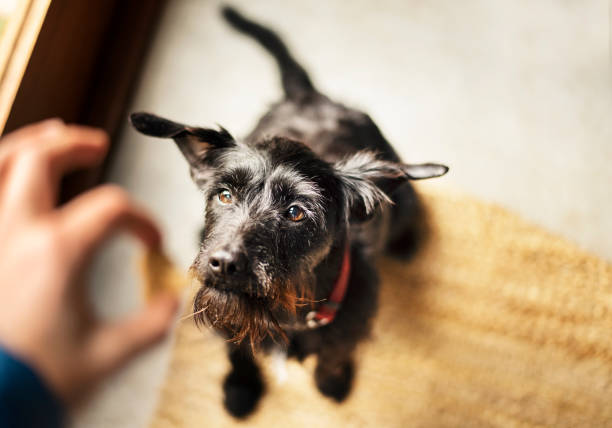
A peaceful walk can turn stressful fast once a dog starts pulling, lunging, freezing, or barking along the route. Search terms such as dog training near me often appear after owners realize the problem is not disappearing with a shorter leash or different collar. Professional help makes sense when leash trouble limits where the dog can go, how safely the handler can manage the walk, or how calmly both recover from distractions.
Pulling That Keeps Getting Stronger Instead of Better
Constant pressure on the leash can become a learned pattern because moving forward often rewards the dog for pulling. Owners may stop, change direction, or shorten the leash, yet the dog can still learn that enough force eventually gets it closer to a tree, another dog, or a person. Skilled dog trainers look beyond the pulling itself and watch timing, pace, attention, body position, and what the dog is trying to reach. That broader view helps separate a loose-leash skill gap from excitement, frustration, fear, or poor impulse control.
Leash Reactivity That Changes the Entire Walk
Barking, lunging, spinning, or growling at dogs, people, bikes, and vehicles can make neighborhood walks feel unpredictable. Distance matters because a dog that can respond to the handler from forty feet away may lose that ability at ten feet. Effective Murfreesboro dog training can help owners recognize the distance where the dog is still able to think, then practice calmer responses before the reaction takes over. Progress usually comes from controlled setups and better timing rather than repeatedly walking into situations the dog cannot yet handle.
Fear can also look like stubbornness on a leash. Hesitation, sudden stops, backing away, or attempts to escape may signal that the dog feels unsafe rather than unwilling to cooperate. Trainers can study posture, recovery time, environmental triggers, and the dog’s response to pressure so the training plan does not push too hard too quickly. Careful work at manageable distances can build confidence while teaching the handler to notice early signs of stress before the dog reaches a breaking point.
Walks That Feel Fine Until a Distraction Appears
Good leash manners at home or on an empty street do not always transfer to a busy path, park, store entrance, or school pickup area. Distractions raise the difficulty because dogs must choose the handler over smells, motion, noise, and social interest. Structured dog training in Murfreesboro TN can add those challenges in smaller steps instead of expecting perfect behavior in a crowded setting. Gradual practice gives the dog a clearer path from knowing a skill in quiet conditions to using it where real life happens.
Safety Problems That Are Bigger Than Basic Manners
Sudden lunges can create a physical safety issue, especially with a large or powerful dog. Children, older adults, and handlers with balance concerns may face greater risk if the dog can pull them off position without warning. Qualified dog trainers can evaluate handling mechanics along with the dog’s behavior, including leash length, grip, movement, reinforcement, and the moments that come before a surge. Training becomes more urgent once the owner starts avoiding walks, wrapping the leash around a hand, or relying on strength alone to stay in control.
Doorways and parking lots deserve the same attention because leash problems do not begin only after a walk is underway. Rushing through an open door, dragging toward the car, or exploding from the vehicle can place a dog close to traffic before the handler has stable control. Practical training can teach pauses, waiting, position changes, and calmer exits as part of the walk routine. Those habits reduce frantic starts and give the handler a better chance to set the pace before outside distractions become intense.
Mixed Messages From Different People in the Home
Dogs can struggle when one person allows pulling, another demands a close heel, and someone else lets the dog greet every passerby. Inconsistent rules make the leash hard to understand because the same behavior produces different results depending on who is holding it. Household coaching can help family members agree on simple cues, walking expectations, and responses to common distractions. Shared handling matters even more when several people walk the same dog during the week.
Professional Training That Connects Skills to Daily Life
Leash work becomes more useful when it fits the places and situations the dog actually encounters. Neighborhood sidewalks, veterinary visits, outdoor dining areas, busy intersections, and encounters with unfamiliar dogs all ask for different levels of control. Strong training plans build attention, response to leash pressure, position, impulse control, and recovery from distractions instead of focusing on one polished exercise. People searching for Murfreesboro dog training often benefit most from instruction that also teaches them how to practice between sessions and adjust difficulty without creating conflict.
Local support can be useful when leash trouble has lasted for months, involves reactivity, or keeps the family from taking the dog into public spaces. Talking Tails can help Murfreesboro-area owners discuss pulling, lunging, distraction, and other leash concerns with a dog training professional and determine what type of training may fit the dog’s behavior and daily routine. Clear guidance gives owners a practical way to work on the problem while building safer, calmer habits that carry beyond a single training session.