
Key Takeaways
Brake cleaner removes brake dust, grease, oil, and other contaminants that can interfere with brake component performance.
Regular brake maintenance using an appropriate brake cleaner can help maintain clean braking surfaces and support consistent braking performance.
Proper cleaning helps prevent contamination-related issues and may reduce unnecessary wear on brake components.
Low-VOC and biodegradable brake cleaners offer alternatives for users seeking to reduce environmental impact.
Following proper application and safety procedures helps maximize cleaning effectiveness while minimizing chemical exposure.
5 Benefits of Brake Cleaner You Shouldn’t Overlook
1. Improves Brake Performance by Removing Contaminants
One of the primary benefits of brake cleaner is its ability to remove contaminants that accumulate on brake components. Brake dust, oil, grease, and road debris can build up on rotors, calipers, and other parts, potentially interfering with proper brake operation.
Brake cleaner contains specialized solvents that dissolve and remove these contaminants. Depending on the formulation, ingredients such as acetone and other solvents help break down stubborn deposits and evaporate quickly, leaving minimal residue.
Using a suitable brake cleaner during routine brake maintenance can help keep braking surfaces clean and reduce contamination-related problems. Clean components also make it easier for mechanics to inspect the braking system and identify potential issues.
For vehicle owners, incorporating brake cleaner into appropriate maintenance procedures can help maintain consistent braking performance and support overall vehicle safety.
2. Helps Extend the Lifespan of Brake Components
Brake components experience considerable friction and heat during normal vehicle operation. Over time, accumulated brake dust, grease, and other contaminants can contribute to maintenance problems and interfere with proper component operation.
Using brake cleaner during brake servicing helps remove unwanted buildup from compatible components. Keeping these surfaces clean can make inspections easier and help mechanics identify signs of excessive wear, corrosion, or damage.
The benefits of proper brake cleaning include:
- Reduced contamination: Removes grease, oil, and accumulated brake dust from appropriate surfaces.
- Easier inspections: Allows mechanics to examine brake components more clearly for signs of wear or damage.
- Better maintenance: Supports routine servicing by keeping accessible brake components clean.
Although brake cleaner cannot prevent normal friction-related wear or repair damaged components, using it appropriately as part of routine maintenance can help maintain a clean braking system.
3. Helps Prevent Unnecessary Maintenance Expenses
Brake repairs can become expensive, particularly when vehicle owners overlook routine inspections and maintenance. Contamination can contribute to braking problems, making it important to keep suitable components clean and inspect them regularly.
Brake cleaner offers a convenient way to remove grease, oil, and other deposits during brake servicing. By keeping components clean, mechanics can identify potential problems more easily and address maintenance needs before they become more complicated.
Proper use of brake cleaner can support cost-conscious vehicle maintenance in several ways:
- Simplifies inspections: Clean components make it easier to identify visible damage and excessive wear.
- Supports preventive maintenance: Removing contaminants helps mechanics maintain appropriate brake servicing procedures.
- Reduces avoidable cleaning work: Fast-evaporating formulations can make cleaning certain brake components more convenient.
However, brake cleaner is not a substitute for replacing worn brake pads, damaged rotors, or defective parts. Regular inspections and timely repairs remain essential for avoiding more expensive brake system problems.
4. Offers Environmentally Conscious Cleaning Options
Traditional brake cleaners can contain volatile organic compounds (VOCs) and other chemicals that may contribute to air pollution or pose health risks when handled improperly. As environmental awareness grows, low-VOC and biodegradable formulations have become alternatives for some vehicle owners and workshops.
These products are designed to reduce certain environmental impacts while still removing common brake contaminants. However, their performance, chemical composition, and compatibility can vary by manufacturer.
When choosing an environmentally conscious brake cleaner, consider the following:
- Low-VOC formulations: These products are designed to reduce VOC emissions compared with certain conventional formulations.
- Biodegradable alternatives: Some products use ingredients intended to break down more readily under appropriate environmental conditions.
- Product specifications: Reviewing the safety data sheet and product label helps determine the cleaner’s composition, compatibility, and handling requirements.
Choosing a suitable low-VOC or biodegradable product can support more environmentally conscious maintenance practices. Nevertheless, even environmentally friendly cleaners require proper handling and disposal according to the manufacturer’s instructions.
5. Makes Brake Maintenance More Convenient and Efficient
Brake cleaner is widely used in automotive maintenance because it can quickly remove contaminants from suitable brake components. Many aerosol formulations make it easier to direct the cleaning solution toward specific areas, including locations that may be difficult to reach with a cloth.
Different formulations are available to accommodate various cleaning requirements.
- Aerosol brake cleaners: Convenient for targeted application and reaching accessible areas around brake assemblies.
- Liquid brake cleaners: Useful for certain workshop applications where broader coverage is required.
- Low-VOC and biodegradable cleaners: Alternatives for users with specific environmental or workplace requirements.
The fast-evaporating properties of many brake cleaners can also reduce the time spent waiting for cleaned surfaces to dry. Selecting a suitable formulation and following its instructions can make routine brake servicing more efficient.
However, brake cleaner should only be applied to compatible components and should never replace proper mechanical inspection or repair.
How to Use Brake Cleaner Safely and Effectively
Follow Proper Application Techniques
Using brake cleaner correctly is essential for achieving effective results and reducing the risk of injury or component damage. Before applying any product, read the manufacturer’s instructions and verify that it is suitable for the intended surfaces.
Follow these basic precautions:
- Work in a well-ventilated area: Brake cleaner fumes can be harmful when inhaled, so adequate ventilation is essential.
- Wear protective equipment: Use appropriate chemical-resistant gloves and eye protection to minimize exposure.
- Avoid ignition sources: Many brake cleaners are highly flammable. Keep them away from flames, sparks, hot surfaces, and other ignition sources.
- Check material compatibility: Some formulations can damage paint, plastics, rubber, or other materials.
- Follow drying instructions: Allow the product to evaporate as directed before reassembling or operating the braking system.
Never spray brake cleaner onto hot components unless the product specifically permits it. Avoid breathing the spray mist, and do not mix different cleaning chemicals.
Know When to Use Brake Cleaner
Using brake cleaner at appropriate maintenance intervals can help keep compatible brake components free from unwanted contamination. It is commonly used during specific servicing procedures, including:
- During brake pad replacement: Cleaning appropriate components helps remove accumulated brake dust and contaminants before reassembly.
- During routine brake inspections: Cleaning can make it easier to examine components for visible damage and excessive wear.
- When grease or oil contamination is discovered: A compatible brake cleaner may help remove contamination from suitable surfaces.
Brake noise, vibration, or reduced braking performance should not automatically be treated as cleaning problems. These symptoms can indicate worn pads, damaged rotors, sticking calipers, or other mechanical issues. A qualified mechanic should inspect the braking system when such symptoms occur.
Choosing the Right Brake Cleaner
Consider the Chemical Formulation
Brake cleaners differ in their chemical composition and cleaning properties. Some formulations use fast-evaporating solvents, while others are designed for specific workshop requirements.
When choosing a product, consider the type of contamination, the components being cleaned, and the manufacturer’s compatibility instructions. Reviewing the product label and safety data sheet can help you select an appropriate cleaner for the task.
Compare Aerosol, Liquid, and Eco-Friendly Options
The right type of brake cleaner depends on how and where it will be used.
Aerosol products are convenient for targeted cleaning, while liquid formulations may be suitable for certain workshop applications. Low-VOC and biodegradable alternatives can be considered when environmental requirements are a priority.
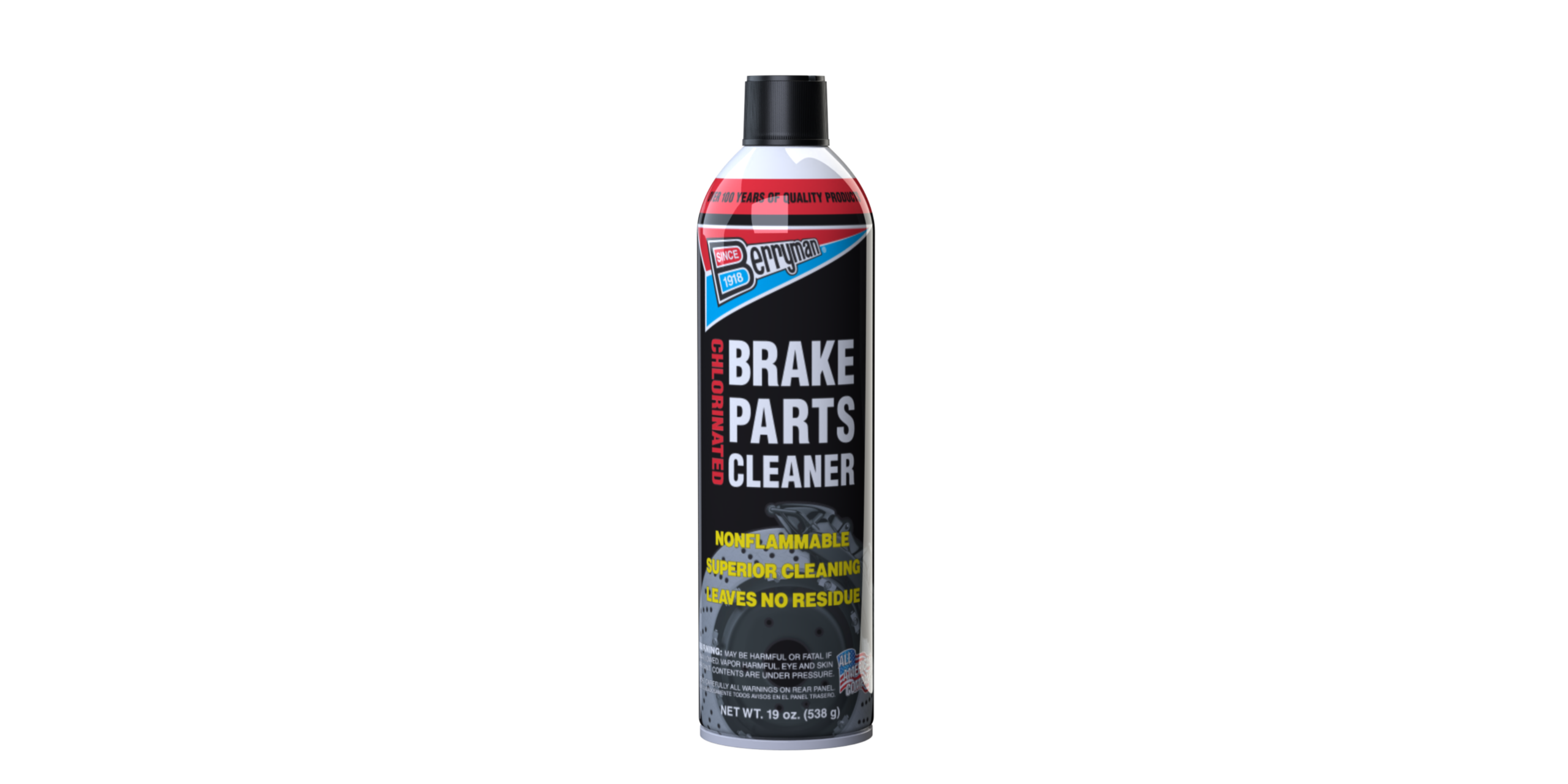
For example, provides a product option to review when comparing formulations and product specifications.
Regardless of the type selected, always confirm that the cleaner is suitable for the intended components and follow the manufacturer’s safety instructions.
Frequently Asked Questions About Brake Cleaner
What is brake cleaner used for?
Brake cleaner is a specialized cleaning product designed to remove brake dust, grease, oil, and other contaminants from compatible brake components. It is commonly used during brake maintenance and inspections to help keep suitable surfaces clean.
Can brake cleaner improve braking performance?
Brake cleaner can help remove contaminants that may interfere with proper brake operation. However, it cannot correct mechanical problems such as worn brake pads, damaged rotors, or defective calipers. Persistent braking issues require a proper inspection.
How often should brake cleaner be used?
Brake cleaner is generally used when necessary during brake servicing, such as when replacing brake pads or cleaning contaminated components. There is no universal cleaning schedule because maintenance needs depend on the vehicle, driving conditions, and brake system condition.
Is brake cleaner safe for all vehicle components?
No. Some brake cleaners can damage paint, plastic, rubber, and other materials. Always review the product label and verify compatibility before applying the cleaner. Use it only on surfaces approved by the manufacturer.
What is the difference between aerosol and liquid brake cleaner?
Aerosol brake cleaners are generally convenient for targeted application and reaching accessible areas around brake components. Liquid formulations may be more suitable for certain workshop cleaning tasks. The appropriate option depends on the product specifications and intended application.
Are low-VOC brake cleaners effective?
Low-VOC brake cleaners are designed to reduce certain emissions while providing cleaning performance. Their effectiveness depends on the specific formulation and the type of contamination. Check the product specifications to ensure that the cleaner meets your maintenance requirements.
Can frequent use of brake cleaner damage brake components?
Brake cleaner is generally suitable for its intended applications when used according to the manufacturer’s instructions. However, using an incompatible product, applying it incorrectly, or exposing sensitive materials to harsh solvents can cause damage. Follow the recommended application procedures and avoid unnecessary use.
What safety precautions should I follow when using brake cleaner?
Always work in a well-ventilated area, wear appropriate gloves and eye protection, and keep the product away from ignition sources. Avoid inhaling the fumes or spray mist, and follow the label’s instructions for application, storage, and disposal.