
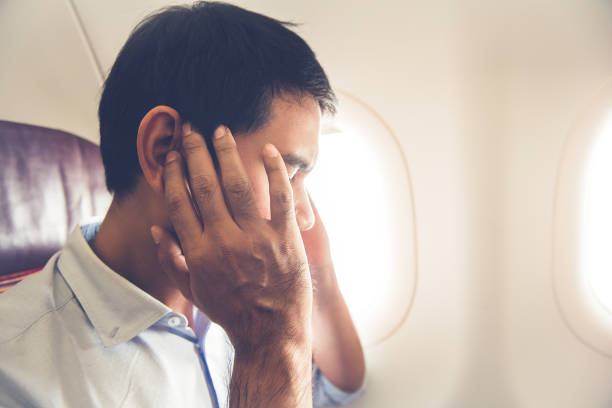
It’s common to pop your ears, particularly when pressure changes are causing discomfort, like during flights, diving, or after a cold. A pressure differential between the inside of the ear and the external environment causes the sense of “fullness” or “stuffiness” in the ears. In addition to discomfort, this pressure imbalance may result in transient hearing loss. Thankfully, there are a number of ways to pop your ears and ease this discomfort. This post will discuss the causes of blocked ears, safe methods for popping them, and when to consult a doctor.
1. Knowledge of the Eustachian Tube and Ear Pressure
The outer ear, middle ear, and inner ear are the three sections that make up your ear. Pressure imbalances can happen in the middle ear, which is connected to the back of the throat by the Eustachian tube. The purpose of this tube is to balance the middle ear’s pressure with that of the outside world. The feeling of a clogged ear can occur when the Eustachian tube isn’t functioning correctly, which can be brought on by conditions including allergies, colds, sinus infections, or abrupt changes in altitude. Frequently, “popping” the ears is necessary to balance the pressure and return hearing to normal.
2. What Causes Clogged Ears?
Ear pressure or a fullness sensation in the ears can be caused by a number of frequent factors. Among them are:
Altitude Changes: The Eustachian tube finds it difficult to equalize the pressure in the ears when there are abrupt changes in altitude, like when flying or scuba diving.
Allergies and colds have the potential to inflame the Eustachian tube, which would hinder its ability to appropriately control middle ear pressure.
Sinus Infection: The Eustachian tube’s ability to function can be impacted by fluid accumulation in the sinuses, which can provide a sense of plugged ears.
Ear Infections: Fluid accumulation from ear infections, including otitis media, can make the ear seem congested.
Identifying the root cause of ear pain might aid in choosing the most effective treatment.
3. The maneuver known as Valsalva
The Valsalva maneuver is one of the most popular ways to pop your ears. It entails closing your mouth, constricting your nostrils, and then gently blowing air out of your ears. Here’s how to accomplish it:
Shut your mouth and inhale deeply.
Using your fingers, pinch your nostrils shut.
Keeping your lips shut and your nostrils compressed, gently exhale through your nose.
A “pop” sound will be produced if it is successful, and the pressure in your ears should subside.
Don’t forget to blow gently. Excessive blowing might harm your ear structures and even cause further issues, such a ruptured eardrum.
4. The maneuver of Toynbee
Another method for popping your ears is the Toynbee maneuver, which equalizes pressure in a different way. In order to execute the Toynbee maneuver:
Pinch your nostrils shut and close your mouth.
Keep your mouth shut and squeeze your nose while you swallow.
The process of swallowing aids in opening the Eustachian tube, which permits air to enter the middle ear and balance the pressure. If you wake up with clogged ears or have ear pressure while flying, this maneuver can be very beneficial.
5. Swallowing and yawning
Sometimes all it takes to get your ears to pop spontaneously is to yawn or swallow. By opening the Eustachian tube, these activities aid in the equalization of pressure. While swallowing causes a reflex that momentarily opens the Eustachian tube, yawning can activate the muscles surrounding the tube.
If you experience pressure in your ears, try swallowing or yawning multiple times to see if it helps. If you’re only having minor pressure shifts, this gentle technique may work especially well.
6. Sucking on candy or chewing gum
Some people find that popping their ears can be accomplished by sucking on hard candy or chewing gum. In order to equalize pressure and open the Eustachian tube, these behaviors promote frequent swallowing. This is frequently an excellent method for easing ear pain when flying or when you have ear congestion brought on by allergies or a cold.
7. Applying a Hot Compressor
Using a warm compress might help relieve pressure and promote fluid outflow if your ear pain is due to an infection or fluid accumulation. Just put a fresh cloth over your ear after soaking it in warm water and wringing it out. The heat has the potential to alleviate ear fullness and reduce inflammation in the Eustachian tube. This technique is especially beneficial if you have sinus congestion or an ear infection.
8. Know When Not to Pop Your Ears
Even while the majority of ear popping procedures are safe, there are several circumstances in which trying to equalize ear pressure is not advisable. Before using any ear-popping techniques, it is essential to see a doctor if you have an active ear infection, a ruptured eardrum, or severe ear pain. Injecting air into a damaged ear might exacerbate the damage and make it worse.
Additionally, it can be a sign of an underlying medical condition, such an ear infection or sinus issues, if the pressure in your ears doesn’t go away after applying these strategies or if you continue to feel uncomfortable. It is advised to consult a healthcare provider in such circumstances.
9. When to Get Medical Assistance
Simple actions like yawning, swallowing, or using the Valsalva or Toynbee techniques will usually cause ear pressure to go away on its own. Nonetheless, it’s critical to get medical help if you encounter any of the following symptoms:
severe or ongoing ear discomfort.
hearing loss or persistently muted hearing.
discharge of fluid from the ear.
dizziness or problems with balance.
These might indicate a ruptured eardrum, an ear infection, or other dangerous disorders that need to be treated by a doctor.
10. Final thoughts
A quick and easy method to relieve pressure and discomfort brought on by altitude fluctuations, sinus congestion, or other circumstances is to pop your ears. Middle ear balance can be restored by methods such as the Valsalva and Toynbee procedures, as well as by yawning, swallowing, or chewing gum. Even though these techniques are usually safe, it’s crucial to use caution and gentleness to prevent harming the ear. See a medical practitioner for guidance and treatment if you have underlying medical concerns or persistent symptoms. You can maintain the health and functionality of your ears with timely intervention and proper ear care.