
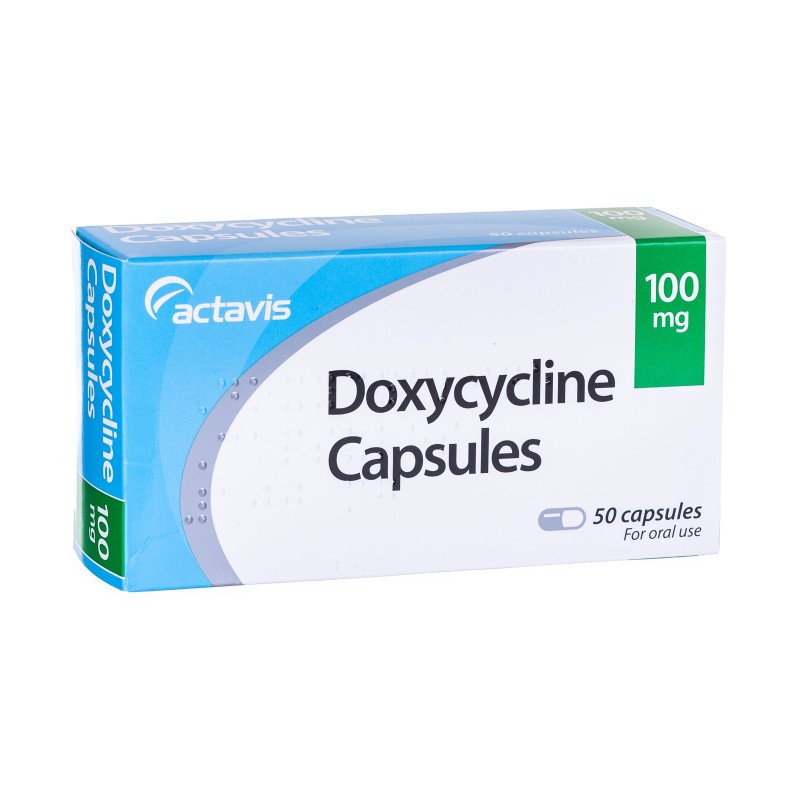
A common antibiotic that is a member of the tetracycline class is doxycycline. It effectively treats a range of bacterial infections by preventing the growth of bacteria. Doxycycline is commonly prescribed at a dose of 100 mg twice daily for seven days. This treatment plan is frequently recommended for a number of ailments, including Lyme disease, acne, lung infections, and urinary tract infections. The applications, adverse effects, safety measures, and crucial factors to be taken into account when taking doxycycline at this recommended dosage will all be covered in this article.
1. Describe Doxycycline.
A broad-spectrum antibiotic, doxycycline functions by preventing the synthesis of proteins that bacteria require for growth and multiplication. By doing this, the germs are prevented from spreading, enabling your immune system to combat the infection. Doxycycline works well against a variety of bacterial illnesses, including those caused by both Gram-positive and Gram-negative bacteria, in contrast to several other antibiotics. It is frequently used to treat ailments like Lyme disease, acne, urinary tract infections, and respiratory infections (pneumonia, bronchitis).
Note that doxycycline is only used to treat bacterial infections. It won’t work on viral diseases like the flu or the common cold.
2. Typical Applications for Doxycycline
For a number of ailments, a 100 mg dose of doxycycline twice daily for seven days is frequently prescribed:
Respiratory Infections: Bacterial pneumonia, sinus infections, and bronchitis are frequently treated with doxycycline.
Acne: When topical therapies are ineffective, doxycycline is frequently used to treat moderate to severe acne.
One of the first-line therapies for Lyme disease is doxycycline, especially if the illness is detected early.
Doxycycline may be useful in treating urinary tract infections (UTIs) brought on by bacteria that are susceptible to the drug.
Rickettsial Infections: Doxycycline is used to treat rickettsial bacterial infections, which include typhus and Rocky Mountain spotted fever.
Depending on the kind and severity of the infection, your doctor will decide on the right dosage and course of therapy.
3. How to Take 100 mg of Doxycycline Twice Daily for Seven Days
It’s critical to take doxycycline exactly as directed by your doctor in order to optimize its effectiveness and reduce the possibility of side effects. Doxycycline doses of 100 mg are usually used twice daily, meaning that you will take 100 mg in the morning and another 100 mg in the evening. To help avoid esophageal irritation, you should drink a full glass of water before taking each dose.
Additionally, it’s critical to adhere to these broad rules:
Take on an empty stomach: It is best to take doxycycline one hour before or two hours after eating. Certain meals can hinder the drug’s absorption and decrease its effectiveness, particularly dairy products and foods high in calcium.
Don’t lie down right after taking it: Avoid lying down for at least half an hour after taking the drug to lower the chance of esophageal discomfort or injury.
Finish the entire course: To guarantee that the infection is completely cured and to stop the emergence of antibiotic resistance, it is imperative that you finish the entire course of doxycycline, even if you begin to feel better before the end of the seven-day regimen.
4. Possible Adverse Reactions to Doxycycline
Doxycycline may have adverse effects, just like any other medicine. While some people may have moderate side effects, others might have more severe reactions. The following are typical doxycycline side effects:
Gastrointestinal Problems: If the medicine is taken on an empty stomach, nausea, vomiting, and diarrhea are frequent side effects. It may be helpful to take the prescription with a small amount of food if you have severe stomach ache.
Photosensitivity: Doxycycline may make you more susceptible to sunburn by making you more sensitive to sunlight. When spending time outside, it’s crucial to wear protective clothes and sunscreen.
Skin Reactions: While using doxycycline, some people may get rashes or other skin irritations.
Esophageal Irritation: Doxycycline might irritate or even ulcerate the esophagus if taken without adequate fluids or right after taking it.
Seek medical help right away if you have serious side effects, including as difficulty swallowing, chest pain, or severe skin reactions.
5. Serious Risks and Side Effects
Doxycycline can have more severe adverse effects, however they are uncommon. These consist of:
Liver Damage: Doxycycline may have an adverse effect on liver function, particularly in those who already have liver disease. Jaundice, or yellowing of the skin or eyes, dark urine, or chronic stomach pain are signs of liver disease.
Allergic Reactions: Doxycycline may cause allergies in certain individuals. Hives, facial, lip, or tongue swelling, and trouble breathing are signs of an allergic reaction. This needs to be treated medically right now.
C. difficile-related Diarrhea: Doxycycline and other antibiotics can upset the delicate balance of microorganisms in the stomach, causing Clostridium difficile to proliferate and causing severe diarrhea. Call your doctor immediately if you have watery diarrhea, especially if it contains blood or mucus.
6. Safety Measures and Restrictions
It’s crucial to let your doctor know about any illnesses you may have before taking doxycycline, particularly:
Allergies: Doxycycline should not be taken if you have an allergy to it or any other tetracycline antibiotic.
Doxycycline is categorized as a pregnancy category D medicine, which means it may be harmful to the fetus. Generally speaking, using it while pregnant is not advised, particularly in the second and third trimesters. Unless their doctor instructs them otherwise, nursing moms should avoid doxycycline because it is also transferred into breast milk.
Kidney and Liver Disorders: Your doctor may change your dosage or keep a closer eye on you while you take doxycycline if you have a history of kidney or liver problems.
Doxycycline may also interact with other drugs, such as antacids, blood thinners, and other antibiotics. A comprehensive inventory of all the drugs, vitamins, and supplements you are currently taking should be given to your doctor.
7. Drug-Doxycycline Interactions
Numerous drug classes may interact with doxycycline, which could have an impact on how the drug or the other drugs function. Typical medication interactions include the following:
Antacids with Calcium Supplements: Antacids containing magnesium, calcium, or aluminum may hinder doxycycline’s absorption, reducing its effectiveness. Antacids should not be used two hours before or after taking doxycycline.
Oral Contraceptives: Doxycycline is among the medicines that can lessen the effectiveness of birth control tablets. When taking doxycycline, if you’re on oral contraceptives, think about utilizing another means of birth control.
Blood Thinners: Doxycycline may increase the risk of bleeding when combined with anticoagulants such as warfarin. While using doxycycline, your doctor might need to change the dosage of your anticoagulant.
8. Knowing When to Get Medical Help
Even while doxycycline frequently causes minor, transient side effects, there are several circumstances in which you should visit a doctor right away. Please get in touch with your healthcare physician immediately if you encounter any of the following symptoms:
diarrhea, blood in the stool, or severe stomach ache
severe allergic responses that cause facial and throat edema or trouble breathing
Jaundice, or yellowing of the skin or eyes
Skin rash that is persistent or getting worse
Do you have any new or strange symptoms that worry you?
9. In conclusion
When used as directed, doxycycline is an effective antibiotic. For a variety of bacterial illnesses, a usual treatment plan is to take 100 mg twice daily for seven days. Even though the majority of individuals tolerate the drug well, it’s crucial to carefully follow your doctor’s recommendations to prevent difficulties and adverse effects. Even if you feel better before the seven days are over, you should always complete the entire course of treatment. Make sure to consult your healthcare professional for advice if you encounter any severe side effects or are worried about drug interactions.