
Athletic injuries often occur suddenly during a twist, jump, or awkward landing. Damage to ligaments or cartilage can affect how a joint moves, making everyday activity difficult. Treatment from a sports medicine doctor near me focuses on restoring stability, reducing pain, and helping patients return to movement safely.
Careful Joint Exam to Check Stability and Pain Points
Initial evaluation often begins with a detailed physical exam of the injured joint. Physicians trained in orthopedic sports medicine test how the knee or shoulder moves while applying gentle pressure to specific structures. These hands-on tests reveal instability, clicking sensations, or restricted movement that may indicate ligament or cartilage injury. During this stage, a sports medicine doctor observes swelling patterns, tenderness locations, and joint flexibility. Each movement test helps determine whether the ACL, meniscus, or labrum may be damaged. Findings from this exam guide the next step in diagnosis and treatment planning.
MRI Scans Used to Confirm Ligament or Cartilage Tears
Imaging studies often provide a clearer picture of internal joint structures. Magnetic resonance imaging, commonly known as MRI, allows doctors to see ligaments, cartilage, and soft tissue without surgery. High-resolution images help confirm whether a tear exists and how extensive the injury may be. Doctors practicing orthopedic sports medicine rely on MRI results to determine the best course of treatment. Small tears may respond well to therapy and rest, while severe damage may require surgical repair. Accurate imaging ensures the treatment plan matches the severity of the injury.
Guided Rest Plans to Protect the Joint from More Damage
Rest becomes an important early step after ligament or cartilage injury. Continuing intense activity can worsen the tear or cause surrounding tissue to inflame further. A sports medicine doctor near me often develops a temporary rest plan designed to protect the joint while healing begins.
Specific guidance may include avoiding certain movements, limiting weight bearing, or using crutches during early recovery. These measures prevent additional strain on the injured structure. Careful rest helps reduce swelling and prepares the joint for later rehabilitation work.
Targeted Physical Therapy to Rebuild Strength and Motion
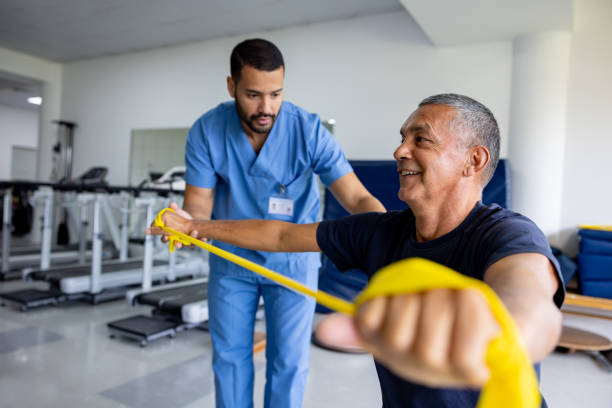
Rehabilitation exercises play a major role in recovering from ACL, meniscus, or labral injuries. Physical therapy programs focus on rebuilding muscle strength, improving joint flexibility, and restoring coordination. Strengthening nearby muscles helps stabilize the joint and reduce stress on the injured tissue.
Therapists working with an orthopedic sports medicine plan guide patients through controlled movements that gradually increase in difficulty. Exercises may target the quadriceps, hamstrings, shoulder stabilizers, or hip muscles depending on the injury. Consistent therapy improves joint function and prepares the body for returning to activity.
Knee Bracing to Support the Joint During Early Healing
Supportive bracing sometimes becomes necessary while a damaged ligament begins to recover. Knee braces can limit certain movements that might aggravate an ACL or meniscus injury. Controlled stability allows the joint to move safely while protecting vulnerable structures.
Medical professionals frequently recommend bracing during walking, therapy sessions, or light activity. A sports medicine doctor may adjust brace settings depending on healing progress. Protective support helps reduce stress on injured tissue during the early stages of recovery.
Anti Swelling Treatment to Calm Inflamed Tissue
Inflammation commonly follows ligament or cartilage damage. Swelling inside the joint may limit movement and increase discomfort. Reducing this inflammation becomes an important step before beginning more demanding rehabilitation.
Doctors practicing orthopedic sports medicine often recommend icing schedules, anti-inflammatory medication, or guided compression therapy. Each approach aims to calm irritated tissue and improve circulation around the joint. Lower swelling levels often make therapy exercises easier and more effective.
Arthroscopic Repair for Torn Ligaments or Cartilage
Severe injuries sometimes require surgical repair to restore joint stability. Arthroscopic surgery uses small instruments inserted through tiny incisions to repair damaged ligaments or cartilage. Cameras placed inside the joint allow surgeons to work with precise control.
Procedures performed by a sports medicine doctor may involve stitching torn cartilage, trimming damaged tissue, or reconstructing a torn ligament such as the ACL. Arthroscopy typically reduces recovery time compared with traditional open surgery. This technique allows doctors to repair injuries while minimizing disruption to surrounding tissue.
Gradual Return to Sports Through Guided Rehab Steps
Recovery from ligament or cartilage injury rarely happens all at once. Athletes and active individuals usually progress through several rehabilitation stages before returning to full activity. Early exercises focus on gentle motion, followed by strengthening and balance training.
Later rehabilitation phases introduce sport specific movements such as pivoting, jumping, or controlled throwing. A sports medicine doctor near me monitors each stage carefully to prevent re injury. Structured progression ensures the joint regains strength and stability before demanding activity resumes.
Follow up Visits to Track Healing and Joint Stability
Ongoing monitoring allows doctors to evaluate whether treatment is working as expected. Follow up appointments provide opportunities to check joint stability, swelling levels, and muscle recovery. Adjustments to therapy or activity restrictions may occur based on these observations. Consistent evaluation helps prevent setbacks during recovery. Specialists trained in orthopedic sports medicine often compare strength levels and movement patterns over time to ensure improvement continues. Regular follow up visits support safe healing and long term joint health.
Expert medical care often determines how successfully ligament and cartilage injuries recover. Dr Boyett provides specialized evaluation and treatment for patients experiencing ACL, meniscus, or labral tears. His orthopedic sports medicine experience helps guide individuals through diagnosis, therapy, and surgical options when needed. Patients searching for a trusted sports medicine doctor near me often rely on knowledgeable care that focuses on restoring joint stability and safe return to activity