
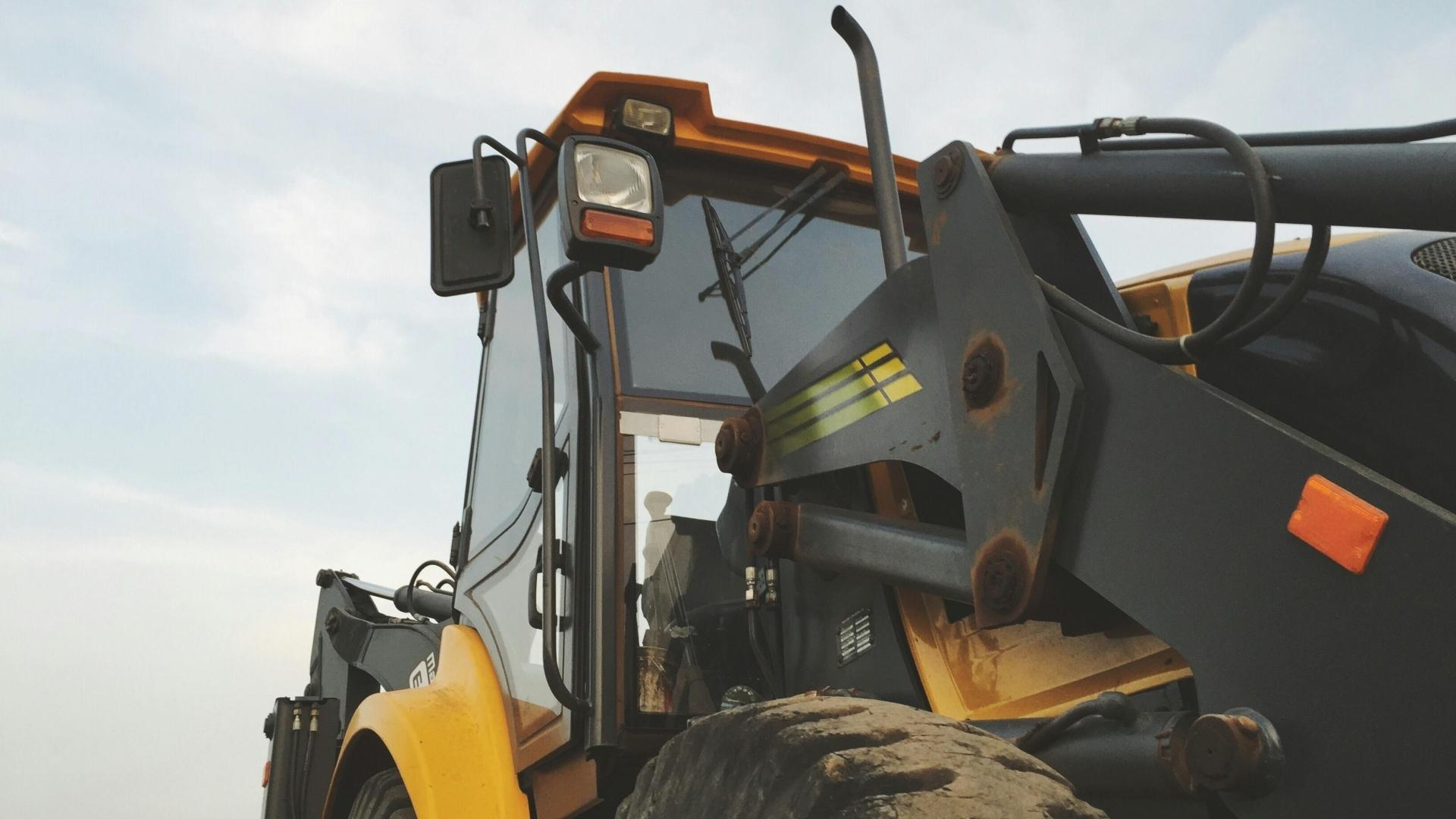
Fresh demand across Alabama’s farming regions has reshaped how growers source equipment, and auctions are quickly rising to the top of their list. Buyers appreciate that digital platforms simplify the process while still giving them meaningful control over what they purchase. This shift has encouraged more producers to compare options at farm equipment auctions rather than relying solely on traditional sellers.
Variety: Access to a Broad Selection of Machinery
Farmers often turn to auctions because they can find tractors, implements, attachments, and specialty units in one place, something retail yards rarely offer. This wide range helps both small and large growers match equipment to their acreage and crop requirements. Many listings also overlap with heavy equipment auctions, construction equipment auctions, and industrial equipment auctions, giving buyers even more technical choices.
Different sellers participate at the same event, which introduces machinery with varied ages, maintenance histories, and performance levels. Instead of settling for a limited local inventory, growers benefit from a dynamic marketplace that updates frequently, much like a Huntsville auction house with rotating stock.
Affordability: Competitive Bidding Often Results in Lower Prices
Auction pricing usually appeals to growers who want dependable machinery without overspending. Because bidders set the price instead of a sales team, items often end up below typical retail values. This natural bidding rhythm can make a farm equipment auction more cost-efficient than private listings.
A healthy turnout encourages balanced competition, which reduces the chance of inflated pricing. Even buyers checking an auction house near me benefit from the collective activity, especially during online events where participation is broad.
Value: Auctions Help Establish Fair Market Value for Items
Auctions reveal what equipment is truly worth based on real buyer behavior. With multiple participants bidding on the same unit, the final price reflects its current market value rather than a guess from one seller. This transparency helps growers feel confident about what they are paying.
This format also supports sellers who want to receive accurate compensation for well-maintained machines. Over time, the marketplace stabilizes because bidders rely on consistent, data-driven pricing patterns that occur across auction house in Alabama platforms.
Speed: Growers Can Acquire Needed Equipment Immediately
Auction timelines move quickly, allowing farmers to secure tractors, implements, or attachments without lengthy negotiations. Once bidding ends, buyers can finalize their purchase right away, which is especially helpful during planting or harvest seasons when delays can affect crop schedules.
This fast process supports farms that experience equipment breakdowns at unexpected times. Rather than waiting weeks for retail delivery, they can replace machinery the same day through digital heavy equipment auctions.
Availability: Surplus Stock from Sellers Provides Diverse Options
Growers benefit from the surplus equipment that frequently arrives from contractors, municipalities, or retiring farm operators. These contributions introduce machines that are often difficult to find through traditional channels. Many buyers appreciate the chance to review items they would not normally encounter at a brick-and-mortar Huntsville auction house.
The rotation of surplus goods also creates opportunities to purchase higher-grade machinery at feasible prices. Since inventory changes often, returning buyers regularly discover equipment that aligns with new goals or acreage expansions.
Low Pressure: The Auction Environment Lacks Typical Sales Pressure
Buyers appreciate that auctions remove the forced conversations and upselling attempts found at traditional dealerships. They can review specifications, maintenance notes, and bidding activity at their own pace, creating a more relaxed environment. This difference is especially noticeable during digital events where buyers remain anonymous.
Without high-pressure tactics, growers tend to make clearer decisions. They evaluate equipment for performance, condition, and long-term value rather than responding to persuasion from a salesperson.
Local Focus: Auctions Cater to Specific Regional Needs
Alabama growers often prefer auctions because they reflect agricultural demands specific to the state—cotton, soybeans, peanuts, poultry operations, and mixed-crop farms. Listings frequently include machinery tailored to these needs, making the process more productive than generic, nationwide searches.
Regional equipment also tends to match soil conditions, field sizes, and common farming practices. That means a buyer scrolling through construction equipment auctions or industrial equipment auctions hosted within the state is more likely to find machinery suitable for local terrain. Alabama Auction House remains a trusted digital venue where these regional priorities are consistently reflected.