
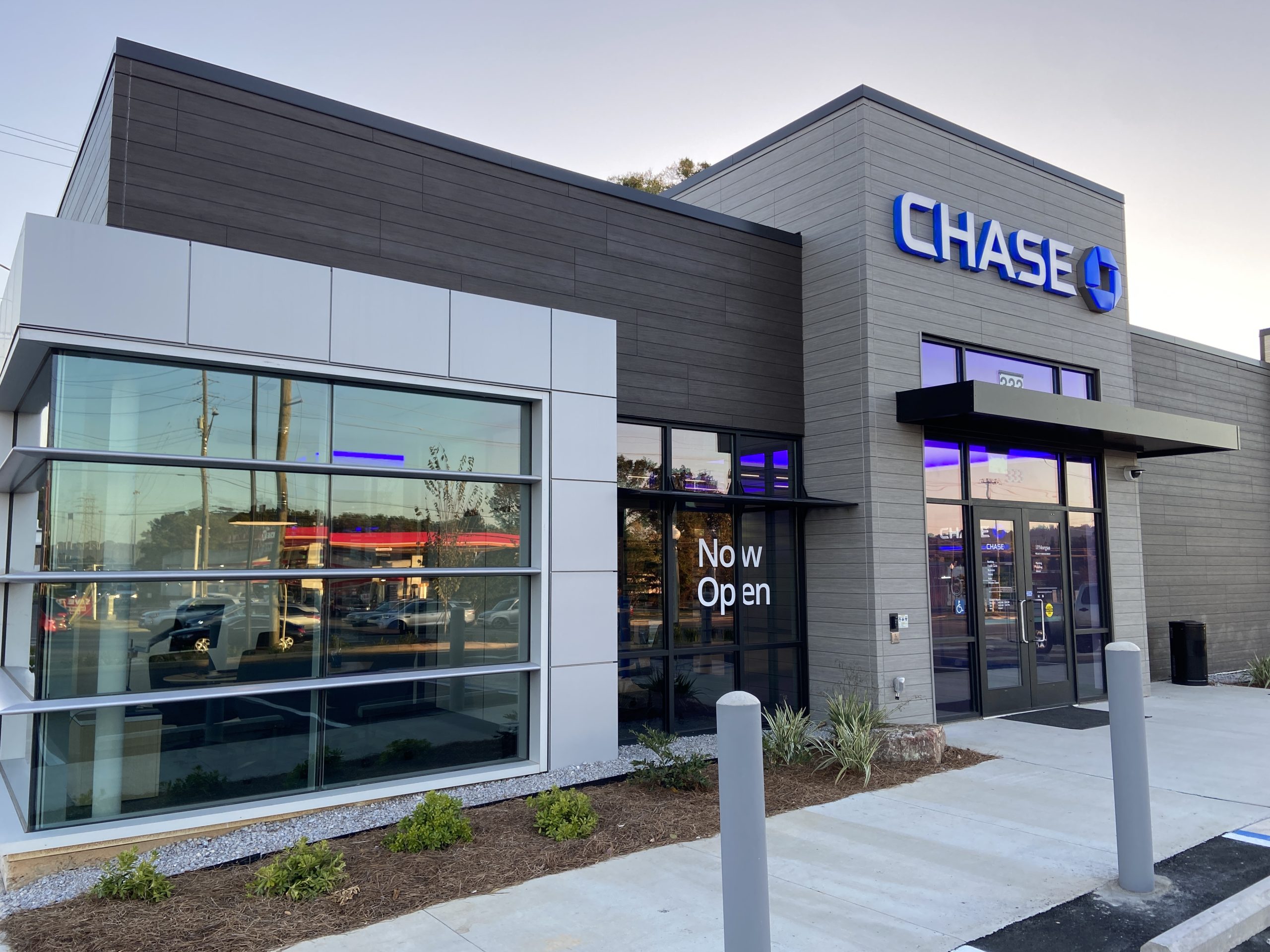
A storefront is basically a heavy, see-through sign that customers judge before they ever step inside. Frames carry the load there, not the glass, and a weak one drags down everything attached to it. Owners tend to budget for the pane and forget about the metal holding it up.
Why the Frame Matters More Than the Glass
Glass gets the attention, but the frame does the work. Aluminum members hold the weight, resist wind pressure, and keep panes square as a building shifts over the years. Birmingham brings hot, humid summers and sudden storm fronts, so frames expand, contract, and take hard gusts more often than people expect. Poorly set storefront glass in Birmingham can bow, leak, or stress-crack long before the pane itself wears out. Even an eighth of an inch of misalignment can pinch a lite at the edge and start a crack that creeps for months. Installers check plumb and level on every member before the first pane goes in, and that single habit prevents a surprising share of callbacks.
What Actually Goes Wrong When a Frame Is Set Badly?
Water finds the weakest seam. Channels and tiny weep holes in the frame push moisture out, and a sloppy install or a thick layer of old caulk can block them. Trapped water then sits against the sealed edge of an insulated unit and breaks the seal down. Fogging between the panes follows, and it is not cosmetic. It means the gas fill has escaped and the unit no longer insulates the way it should. Lower sills collect the worst of it. Energy bills creep up, and swapping the unit is the only real fix. Customers notice the haze too, and it makes a clean shop front look neglected.
Thermal movement adds another layer. Metal expands faster than glass, so frames need setting blocks and proper edge clearance to let each material shift on its own. Without that gap, pressure builds at the corners. Hairline cracks that start at an edge, with no impact mark, usually trace back to this problem. Shops that skip the clearance often pay for the same pane twice. Warranty claims tend to fail here as well, since manufacturers deny coverage when installation caused the stress.
Commercial Frames Are Not Just Bigger Home Frames
Commercial systems are built heavier. Storefront framing typically uses extruded aluminum sized for wider spans, with deeper pockets that hold thicker glass, often a quarter inch or more of tempered or laminated lite. Residential vinyl or wood frames cannot handle that, and swapping them into a retail front invites sagging. Load calculations drive the profile choice, not looks alone. Door stiles, push bars, and header details follow different codes too, including egress and accessibility rules. Contractors who only work on homes may miss those requirements entirely. Businesses comparing replacement window companies should ask about commercial licensing, insurance, and past storefront jobs before anything gets signed. Photos of finished work on similar buildings say more than a sales pitch.
Should You Repair, Reglaze, or Replace the Whole Thing?
Repair makes sense when the metal is straight and the damage sits in the glass. Cracked lites can be reglazed in the existing frame, sometimes within a day, which keeps downtime short. Tired gaskets and dried sealant fall into the repair category as well. Replacement enters the picture once the frame shows corrosion, sagging, or failed anchors. Pouring money into a worn frame only hides the problem for a season. Downtime costs retail more than the glass does. Quotes should spell out which path applies and why.
Small details around a storefront get overlooked. Screens on side offices, break rooms, and upper-floor windows tear, bow, and loosen, and window screen repair Birmingham AL providers can re-spline or rebuild them without touching the glass. Pollen season makes working screens matter more for staff who open windows. Cheap mesh fades fast in southern sun, so fabric and frame quality count. Searching for a window replacement company near me often turns up residential-only outfits, so confirm commercial glazing experience before booking a visit.
What to Check Before Hiring a Glazier
Qualified glaziers measure the opening on site, because buildings settle and nothing stays perfectly square. They also verify glass type, since tempered or laminated safety glass is required near doors and low panels under building code. Local codes also apply to energy performance and wind ratings. Sealant choice matters as well, as silicone and polyurethane behave differently outdoors. Nelbran handles commercial storefront glass installation, repair, and replacement around Birmingham, and the crew can inspect existing framing, catch hidden problems, and quote the right fix before a small leak turns into a bigger bill