
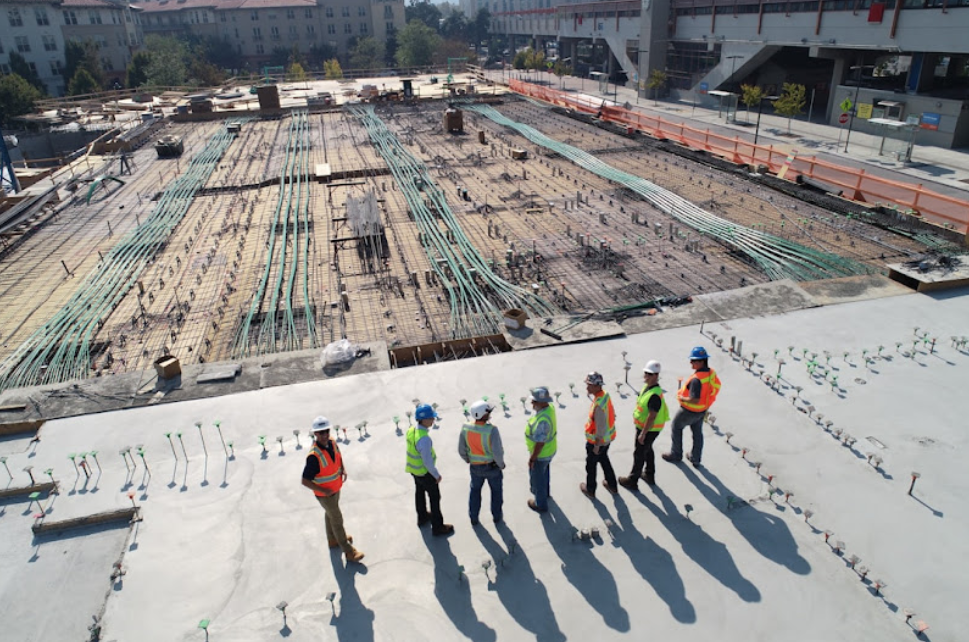
Running a successful construction business requires more than just hard hats and blueprints. From project planning and management to team coordination and financial oversight, every aspect of the operation must work harmoniously to avoid costly delays and miscommunications. Fortunately, with the right strategies and tools, construction professionals can streamline their processes, ensure safety, and maximize efficiency. Keep reading to discover essential tips and practices that will help elevate your construction business operations.
Embracing Construction Management Software for Enhanced Productivity

A major leap in construction today is the use of ERP software solutions that centralize project documents, schedules, and communication in one place. This digital shift cuts down on paper clutter and manual updates, boosting productivity and making project tracking far more accurate. Tools like remote estimator features also help teams get real-time insights into costs and resources, enabling quicker, smarter decisions that keep projects running smoothly.
Switching to these platforms means companies must invest in training and embrace new workflows, but the payoff is worth it. Teams become more collaborative, projects stay on track, and clients are happier. Plus, these systems simplify compliance by keeping regulatory records organized, which is vital for meeting strict safety and building codes in construction.
Streamlining Communication: Essential Practices for Construction Teams
Effective communication is essential for success in construction, ensuring all team members—from onsite workers to subcontractors and stakeholders—are aligned. Establishing clear communication protocols helps prevent misunderstandings, supported by collaboration tools. Regular meetings, whether in-person or virtual, play a key role in aligning objectives, reviewing progress, and encouraging transparency and accountability.
With increasingly dispersed teams, digital communication platforms become vital, especially when incorporating remote roles like estimators, to keep everyone synchronized. Accessibility among construction leaders and team members is crucial for addressing urgent issues promptly, minimizing downtime, and maintaining smooth project progress.
Implementing a Robust Safety Program in Construction
A strong safety program is essential in construction due to the high-risk nature of the work. It should include thorough safety training, emergency procedures, and regular audits to meet current industry standards. Training begins at onboarding, covering equipment use, hazard recognition, and personal protective equipment, with ongoing education to update workers on evolving practices.
Active onsite monitoring by supervisors ensures consistent enforcement of safety protocols, fostering a safety-first mindset that reduces accidents. Fostering a culture where employees feel safe reporting hazards or violations encourages active participation in maintaining workplace safety and improves the overall safety environment.
Financial Strategies for a Stable Construction Business Foundation
Stability in construction relies heavily on sound financial management, including effective budgeting, accurate cost estimation, and careful cash flow control. Meticulous record-keeping supports tracking expenses, easing audits, and ensuring regulatory compliance, while regular financial analysis identifies cost-saving opportunities.
Diversifying income streams by expanding services or entering new markets helps protect against market volatility. Maintaining strong credit lines and financial reserves is crucial to handle unexpected project costs. Assessing the financial health of partners and subcontractors is vital to avoid disruptions caused by third-party payment or solvency issues. These financial strategies collectively support project success and overall business resilience in the construction industry.
Leveraging the Right Construction Tools and Machinery for Efficiency

Skilled labor remains essential in construction, but the right tools and machinery significantly boost efficiency, quality, and project speed. Modern technology, like GPS and laser-guided systems, allows for precise, faster task completion, improving resource management and outcomes. Regular maintenance is crucial to avoid breakdowns and keep equipment safe and operational, with inventory management systems aiding in tracking tool condition and usage.
Beyond physical equipment, construction companies benefit from advanced software that supports design, simulation, and project management. These tools help predict project outcomes, optimize resources, and supply critical data for informed decision-making, enhancing overall operational efficiency.
Altogether, these strategies and tools forge a path for construction businesses to operate smoothly and prosper. By integrating innovative software, streamlining communication, upholding robust safety practices, applying astute financial strategies, and deploying the right machinery, construction professionals can construct a legacy of quality and efficiency that withstands the toughest market conditions.