
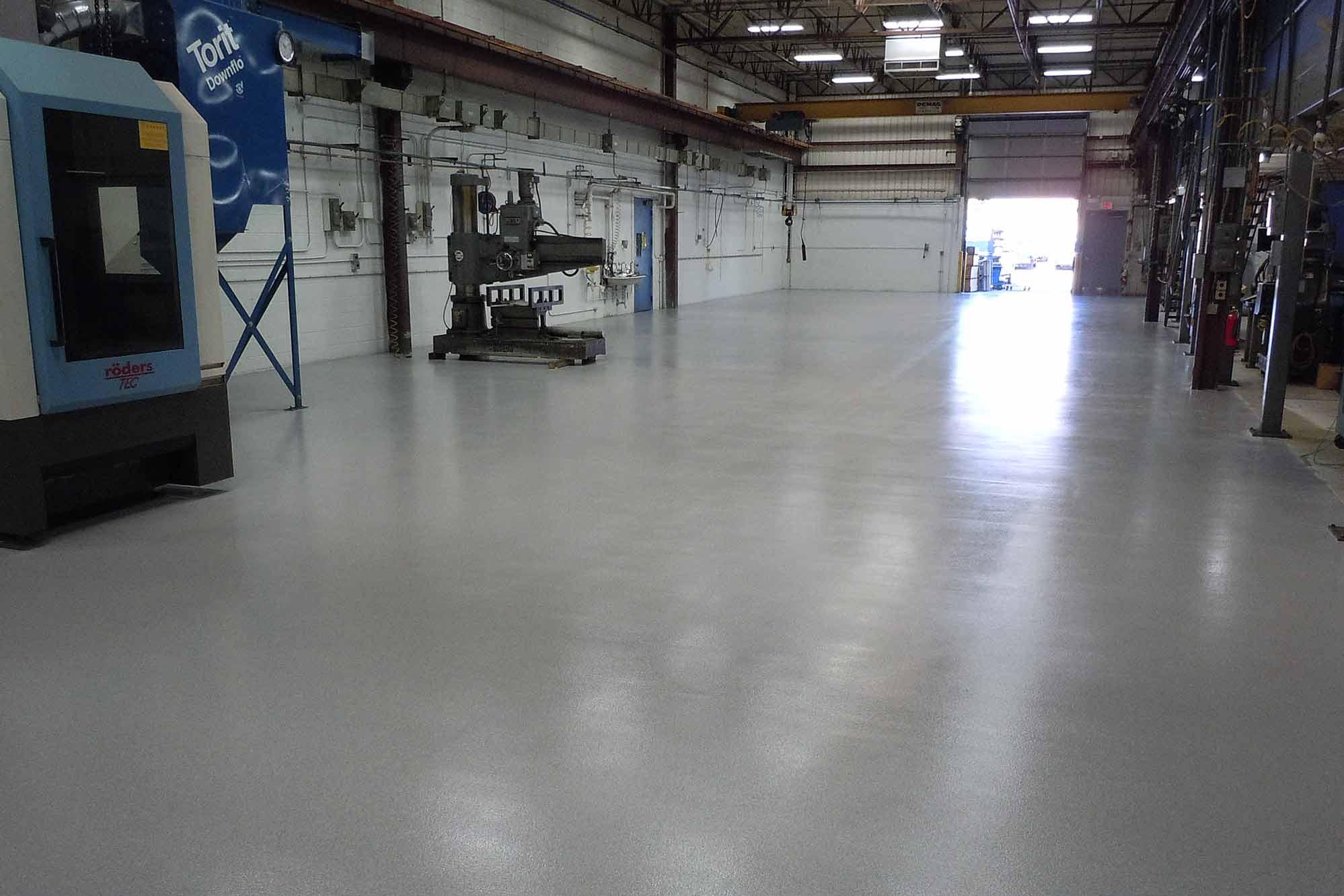
Freshly installed epoxy flooring changes more than the appearance of a surface. Beneath its smooth finish, a chemical reaction gradually transforms liquid resin into a dense, durable coating that withstands daily wear. Knowing how long each curing stage takes helps property owners avoid accidental damage and enjoy a floor that performs exactly as intended.
Touch-dry State Typically Achieved Within 8 to 12 Hours
Fresh epoxy flooring generally reaches a touch-dry stage within 8 to 12 hours after installation. At this point, the surface no longer feels wet or tacky, allowing dust and airborne debris to settle less easily than during the first few hours. Although the coating appears finished, its internal structure continues developing strength beneath the surface.
Appearance can sometimes create false confidence during this stage. Furniture, tools, or foot traffic placed on the floor too early may leave marks that remain visible even after the coating hardens. Professional installers typically recommend leaving the area completely undisturbed until the next curing phase begins.
Safe for Light Foot Traffic After 24 Hours of Drying
After roughly 24 hours, most professionally installed epoxy floors near me become firm enough for light foot traffic. Homeowners may carefully walk across the surface to inspect the finished coating or access nearby rooms without placing excessive stress on the new floor.
Gentle use still requires caution because the coating has not reached its full mechanical strength. Heavy objects, rolling equipment, ladders, or furniture legs can dent or scratch the finish if introduced too soon. Allowing another few days of uninterrupted curing protects both appearance and long-term durability.
Ready for Heavy Vehicles and Machinery After 7 Full Days
Complete structural strength usually develops after seven full days, making the coating suitable for parked vehicles, forklifts, pallet jacks, heavy storage racks, and industrial equipment. During this period, the resin continues forming strong molecular bonds that create the dense surface epoxy flooring is known for.
Commercial facilities especially benefit from respecting this timeline. Warehouses, repair shops, manufacturing spaces, and garages place significant loads on coated concrete, and waiting the full cure period helps prevent premature tire marks, compression damage, or coating failure beneath concentrated weight.
Lower Room Temperatures Significantly Stretch Out the Drying Timeline
Temperature directly influences how quickly epoxy cures because the chemical reaction slows in cooler environments. Rooms below the manufacturer’s recommended installation range may require additional hours or even extra days before each curing milestone is reached.
Cold concrete also absorbs heat from the coating itself, delaying hardening across the entire floor. Experienced epoxy floor companies often monitor both air temperature and slab temperature before beginning installation since both affect final curing performance.
High Humidity Can Trap Moisture and Ruin the Chemical Hardening
Humidity introduces another factor that affects curing consistency. Excess moisture suspended in the air can interfere with the hardening process, sometimes causing cloudy finishes, surface blush, uneven gloss, or weakened adhesion between coating layers.
Proper environmental control greatly reduces these risks. Professional installers frequently monitor indoor humidity before mixing materials, especially for commercial epoxy flooring projects where large floor areas require consistent appearance from one section to the next.
Full Chemical Resistance Against Spills Reached at the One-Week Mark
Chemical resistance develops gradually rather than immediately after installation. By the end of the first week, properly cured epoxy flooring typically withstands common automotive fluids, cleaning products, oils, fuels, and many industrial chemicals without softening or staining the coating.
Earlier exposure may reduce that protection because the resin has not completely finished cross-linking. Waiting until the recommended cure period ends gives the surface its intended resistance against spills that frequently occur in garages, workshops, and commercial facilities.
Waiting 12 to 24 Hours Between Coats Ensures Optimal Bonding
Multi-layer coating systems rely on proper timing between applications. Allowing approximately 12 to 24 hours between coats gives the previous layer enough stability while still promoting a strong chemical bond with the next application.
Applying additional material too early can trap solvents beneath the surface, while excessive delays may require sanding to restore proper adhesion. Following the recommended recoat window creates a more uniform finish with better long-term durability and improved resistance to peeling.
Air Circulation From Fans Helps Speed Up the Evaporation Process
Steady airflow supports curing by helping solvents and moisture leave the coating more efficiently. Fans positioned to circulate air throughout the room encourage consistent drying conditions without directing excessive force onto one specific area of the floor. Balanced ventilation also helps maintain more even temperatures across larger spaces, reducing the chance that one section cures noticeably faster than another. Property owners searching for epoxy garage floor near me or epoxy flooring near me often benefit from choosing experienced professionals who understand these environmental details. Elite Coastal Epoxy combines proper installation methods, curing expertise, and high-quality materials to deliver commercial epoxy flooring systems designed for dependable performance long after the final coat has hardened.