
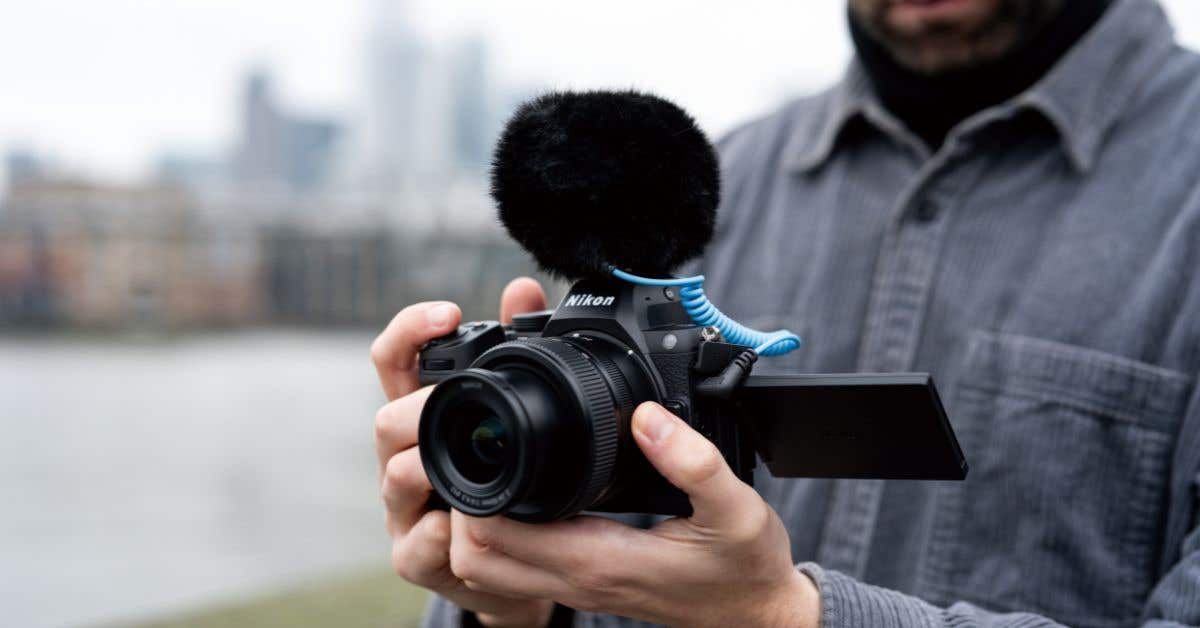
The mirrorless camera market offers extensive options spanning entry-level models through professional systems, creating both opportunities and challenges for photographers navigating purchase decisions. Understanding camera specifications, performance characteristics, and how different models address specific photography requirements enables informed equipment selection matching creative visions, technical needs, and budget constraints. Recent camera releases showcase technological advancements in autofocus systems, image sensors, video capabilities, and user interfaces while addressing diverse photographer segments from beginners through working professionals. Evaluating these options through detailed analysis, comparative assessments, and practical use case considerations helps identify optimal cameras supporting photographic development and creative expression.
Strategic เปรียบเทียบ z5ii กับ z50ii Analysis
When evaluating camera options, comparing models like the Z5 II and Z50 II, or เปรียบเทียบ z5ii กับ z50ii, helps identify which better suits specific requirements, shooting preferences, and budget parameters. Understanding fundamental differences enables informed decisions.
Z5 II vs Z50 II Core Differences
Critical เปรียบเทียบ z5ii กับ z50ii considerations include:
Sensor Format Implications
- Z5 II: Full-frame sensor delivering superior low-light performance, shallower depth of field, and wider field of view
- Z50 II: APS-C sensor providing 1.5x crop factor advantage for telephoto photography and more compact system
Image Quality Characteristics
- Z5 II: Higher resolution potential, better high ISO performance, and greater dynamic range
- Z50 II: Excellent quality within crop-sensor class with advantages for wildlife and sports photography
Physical Design Differences
- Z5 II: Larger, more robust body with weather sealing and professional controls
- Z50 II: Compact, lightweight design ideal for travel and everyday carry
Investment Considerations
- Z5 II: Higher initial cost with more expensive full-frame lenses
- Z50 II: Accessible pricing with smaller, more affordable DX-format lenses
Target User Profiles
- Z5 II: Serious enthusiasts and professionals requiring full-frame image quality
- Z50 II: Beginners, hobbyists, and travelers prioritizing portability and value
This comparison helps photographers understand which camera aligns better with their primary shooting applications, budget realities, and long-term system development plans.
Professional-Grade รีวิว nikon z6iii Evaluation
The Nikon Z6 III, or รีวิว nikon z6iii, represents advanced full-frame mirrorless technology combining professional image quality, sophisticated autofocus systems, and comprehensive video capabilities. This camera addresses demanding photographers and videographers requiring versatile, reliable tools.
Z6 III Performance Analysis
Key รีวิว nikon z6iii features include:
- Advanced Sensor Technology: 24.5-megapixel full-frame sensor optimized for dynamic range and low-light performance
- Sophisticated Autofocus: AI-powered subject detection tracking people, animals, vehicles, and other subjects with exceptional reliability
- High-Speed Performance: Robust continuous shooting capabilities capturing decisive moments in fast-moving situations
- Professional Video: Comprehensive video features including high frame rates, professional codecs, and recording options
- In-Body Stabilization: Multi-axis image stabilization enabling sharp handheld photography in challenging conditions
- Robust Construction: Weather-sealed magnesium alloy body ensuring reliability in demanding environments
- Advanced Connectivity: Multiple wireless and wired connection options streamlining workflow efficiency
- Extended Battery Life: Improved power management supporting full-day professional shooting
This camera particularly appeals to working professionals across event photography, portraiture, commercial work, and multimedia content creation requiring single camera handling diverse assignments.
Accessible Entry Through รีวิว nikon z50ii
The Nikon Z50 II, or รีวิว nikon z50ii, serves as compelling entry point into mirrorless photography offering advanced features in compact, affordable format. This APS-C camera addresses enthusiast photographers and content creators seeking quality without professional-level investment.
Z50 II Capabilities Assessment
Notable รีวิว nikon z50ii characteristics include:
- APS-C Sensor Performance: 20.9-megapixel sensor delivering excellent image quality in compact package
- User-Friendly Operation: Intuitive interface and guidance features supporting learning photographers
- Portable Design: Lightweight construction ideal for travel, street photography, and everyday use
- Reliable Autofocus: Competent subject tracking handling various photography applications
- Video Recording: Quality video capabilities suitable for vlogs, YouTube content, and social media
- Wireless Connectivity: Built-in WiFi and Bluetooth enabling seamless image transfer and remote operation
- Lens System Access: Compatibility with growing Z-mount ecosystem plus F-mount adapter support
- Value Proposition: Accessible pricing making mirrorless photography attainable for wider audience
This model suits hobbyist photographers, content creators, students, and those transitioning from smartphone photography to dedicated camera systems seeking balance between capability and affordability.
Autofocus Technology Evolution
Modern mirrorless cameras feature advanced autofocus systems utilizing artificial intelligence, machine learning, and sophisticated algorithms delivering reliable performance across diverse shooting scenarios.
Contemporary Autofocus Capabilities
Advanced systems provide:
- Subject Recognition: AI-powered detection identifying people, animals, vehicles, and specific subjects
- Eye and Face Detection: Precise focus on portrait subjects maintaining sharpness on eyes
- Tracking Performance: Maintaining focus on moving subjects as they traverse the frame
- Low-Light Capability: Reliable focusing in challenging lighting conditions
- Video Autofocus: Smooth, accurate focus transitions during video recording
- Customization Options: Adjustable sensitivity, speed, and behavior settings
- Predictive Tracking: Anticipating subject movement for improved accuracy
Nikon’s latest cameras incorporate sophisticated autofocus technologies significantly improving success rates and reducing missed shots across photography and videography applications.
Video Production Considerations
Video capabilities have become essential camera features as photographers increasingly create multimedia content and videographers seek single camera solutions handling both stills and motion.
Video Specification Factors
Important video capabilities include:
- Resolution Options: 4K and potentially higher recording capabilities
- Frame Rate Flexibility: Variable rates enabling slow-motion effects and creative flexibility
- Bit Depth and Codec: Higher bit depth and professional codecs for post-production flexibility
- Log Profiles: Flat picture profiles maximizing dynamic range for color grading
- External Recording: HDMI output supporting professional recording devices
- Audio Features: Microphone inputs, headphone monitoring, and audio level control
- Stabilization: In-body or electronic stabilization for smooth handheld footage
- Focus Tools: Peaking, magnification, and other aids for manual focus accuracy
Lens Ecosystem Evaluation
Camera system selection involves assessing available lenses matching photographic specialties and future expansion plans. Lens availability and quality significantly impact system long-term viability.
Lens Selection Factors
Important considerations include:
- Native Lens Range: Focal lengths and specialties available in native mount
- Professional Options: High-quality lenses for demanding applications
- Affordable Choices: Budget-friendly lenses supporting system building
- Third-Party Compatibility: Lenses from other manufacturers fitting system
- Adapter Support: Using lenses from other systems or legacy mounts
- Future Releases: Planned lens introductions expanding capabilities
- Used Market: Secondary market availability reducing acquisition costs
- Specialty Lenses: Macro, tilt-shift, or other specialized optics
Budget and Value Assessment
Camera investment extends beyond body purchase to encompass lenses, accessories, and ongoing costs. Realistic budget planning enables sustainable photography development without financial strain.
Complete Investment Considerations
Total camera system costs include:
- Camera Body: Initial equipment investment varying by model and features
- Lens Collection: Multiple focal lengths providing creative versatility
- Memory Cards: Fast, reliable storage for shooting volume and file sizes
- Extra Batteries: Spare power for extended sessions and backup
- Camera Bag: Protection and transport solution
- Filters and Accessories: Essential shooting gear including filters, straps, and cleaning supplies
- Maintenance: Periodic sensor cleaning and equipment servicing
- Software: Editing applications and post-processing tools
- Insurance: Equipment protection against loss, damage, or theft
- Education: Workshops, courses, and learning resources
Nikon offers camera options across price ranges enabling photographers to enter the system at various investment levels while maintaining clear upgrade paths supporting skill development and expanding creative ambitions.
Ergonomics and Handling
Physical camera design significantly impacts shooting experience, particularly during extended sessions. Evaluating ergonomics helps identify comfortable, intuitive equipment enhancing rather than hindering creative process.
Design Factors
Ergonomic considerations include:
- Grip Design: Comfortable, secure hold during extended shooting
- Button Layout: Intuitive control placement enabling quick adjustments
- Weight Distribution: Balance with various lenses attached
- Viewfinder Quality: Resolution, refresh rate, magnification, and eyepoint
- LCD Screen: Size, resolution, brightness, and articulation options
- Weather Sealing: Protection level against environmental elements
- Menu System: Logical organization and customization options
- Battery Access: Convenient replacement without tripod removal
Making Informed Equipment Decisions
For photographers evaluating camera options, understanding comparative differences through เปรียบเทียบ z5ii กับ z50ii analysis, assessing professional capabilities via รีวิว nikon z6iii evaluation, and exploring accessible entry points through รีวิว nikon z50ii examination enables informed decisions balancing creative requirements, technical specifications, and budget realities.
Quality camera systems combine excellent image quality with reliable performance, intuitive operation, and comprehensive ecosystem support enabling creative growth across photography and videography disciplines.
Nikon provides diverse mirrorless options addressing various photographer segments from beginners through professionals, ensuring appropriate equipment matching current skill levels and creative objectives while supporting long-term development.
Explore detailed camera specifications, comparative information, and purchasing options:
Contact US
Address: 1 Empire Tower 45 Flr., River Wing East, South Sathorn Rd., Yannawa, Sathorn, Bangkok 10120, Thailand
Phone: +662 633-5100
Email: NST.inst@nikon.com
Website: https://www.nikon.co.th/