
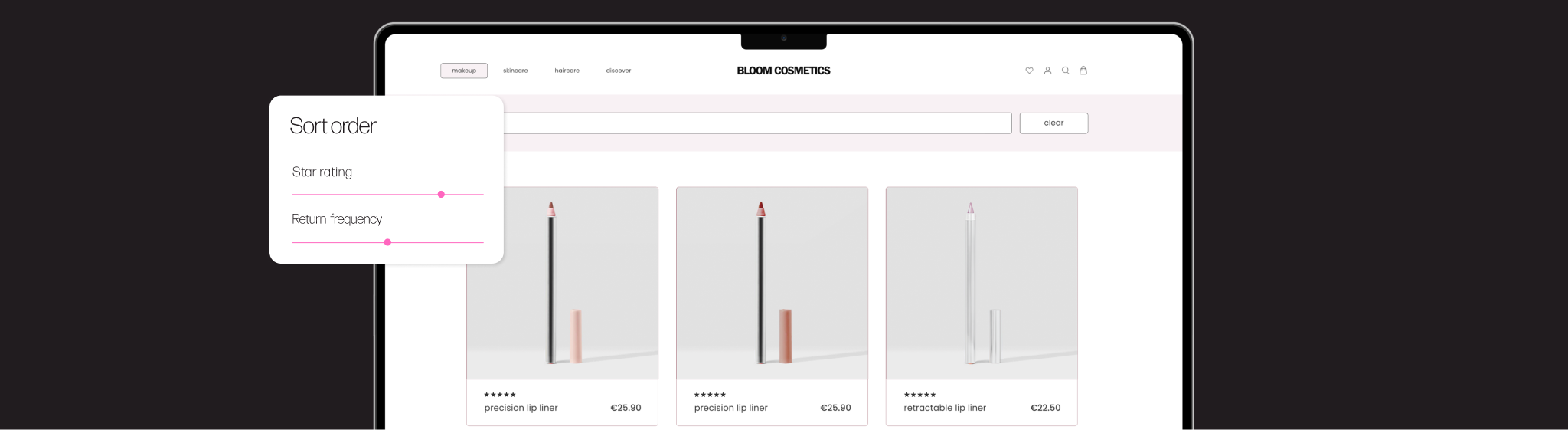
The modern online shopper is overwhelmed with choices. Every product category has countless competitors, and customers can switch tabs or abandon a cart with a single click. That is why ecommerce merchandising is more important than ever.
Merchandising is not just about making your site look nice. It is a strategic tool that helps you guide visitors through your store, highlight the right products, and ultimately convert interest into sales. In a world where attention is limited and expectations are high, merchandising helps you stand out by creating a shopping experience that feels thoughtful, curated, and easy to navigate.
Whether you sell electronics, fashion, home goods, fitness products, or digital services, strong merchandising can have a major impact on your results.
What Is Ecommerce Merchandising?
At its core, ecommerce merchandising is the process of planning and arranging your product displays to influence what shoppers see, where they click, and how they buy. This includes product categorization, homepage design, promotional banners, search results, cross-sell sections, and personalized recommendations.
Merchandising bridges the gap between product discovery and purchase. It guides the shopper through the site and helps them feel confident about their decisions. It is one of the most direct ways to increase engagement, conversion rates, and average order value.
Treat Your Homepage Like a Store Entrance
Your homepage should function the same way a physical storefront does. It needs to grab attention, set the tone, and offer clear paths into deeper sections of your site.
To do this well:
Highlight best-selling products, popular categories, or current promotions
Keep navigation simple and intuitive
Make sure calls to action are visible and compelling
Avoid overwhelming visitors with too many competing messages
Think about what someone needs to see in the first few seconds to stay interested. The homepage should help visitors immediately understand what you offer and why they should explore further.
Use Collections and Categories to Simplify Discovery
A common mistake in ecommerce is showing too many products at once. While a large catalog may seem impressive, it often causes decision fatigue. That is why organizing your products into well-structured categories is a critical merchandising task.
Use collections to group products by:
Function (e.g., “Office Furniture” or “Meal Prep Essentials”)
Target audience (e.g., “For Runners” or “For New Parents”)
Occasion (e.g., “Holiday Gifts” or “Back to School”)
These curated collections make it easier for shoppers to find what they want and encourage them to explore more of your catalog. They also provide great opportunities for SEO optimization through unique page titles and keyword-rich descriptions.
Product Recommendations That Add Value
Customers often benefit from suggestions, especially when they are relevant and timely. Adding product recommendations throughout your site creates opportunities for larger orders and more informed decisions.
Strategic places for product recommendations include:
On product pages, showing complementary or similar items
In the cart, offering small add-ons or bundle suggestions
After purchase, encouraging customers to complete a collection or routine
Recommendations should always feel helpful. If done well, they can improve the customer experience while also increasing your revenue.
Personalization Makes the Experience Feel Tailored
In a physical store, a good salesperson helps you find what suits your taste or needs. Online, personalization plays that role.
Use behavioral data and customer history to personalize merchandising elements:
Show returning customers recently viewed products or related collections
Prioritize product categories based on browsing or purchase history
Localize content based on the shopper’s region or language
Many ecommerce platforms, especially Shopify, support apps and tools that make personalization simple to implement. The result is a store that feels more relevant and more engaging with every visit.
Support Promotions With Merchandising
When you run a sale or launch a new product line, merchandising is what connects that effort to your customer journey.
Use homepage banners, curated collections, and limited-time features to promote your campaign across the site. Make sure promotional items are easy to find in search results and linked from relevant product pages.
The more visible and consistent the promotion, the more effective it becomes. Merchandising ensures that visitors know where to look and how to take action.
Keep Testing and Evolving
One of the strengths of ecommerce is that you can test and improve your merchandising strategy quickly. Use analytics tools to track performance metrics like click-through rates, bounce rates, and average session duration.
Try rearranging products in collections, updating banner placements, or testing different homepage layouts. Even small changes can lead to measurable improvements in engagement and conversion.
Treat your merchandising approach as a living part of your store. What worked last season may need to be refreshed based on current trends or customer behavior.
Final Thoughts
Merchandising Is What Connects Products to People
At the end of the day, ecommerce merchandising is not just about how things look. It is about how people find, understand, and connect with what you sell.
A well-merchandised store removes friction, builds trust, and makes shopping feel simple and enjoyable. It tells a story, solves problems, and gives people a reason to come back.
No matter your industry or audience, investing in merchandising is one of the smartest ways to increase conversions and grow your online business.