
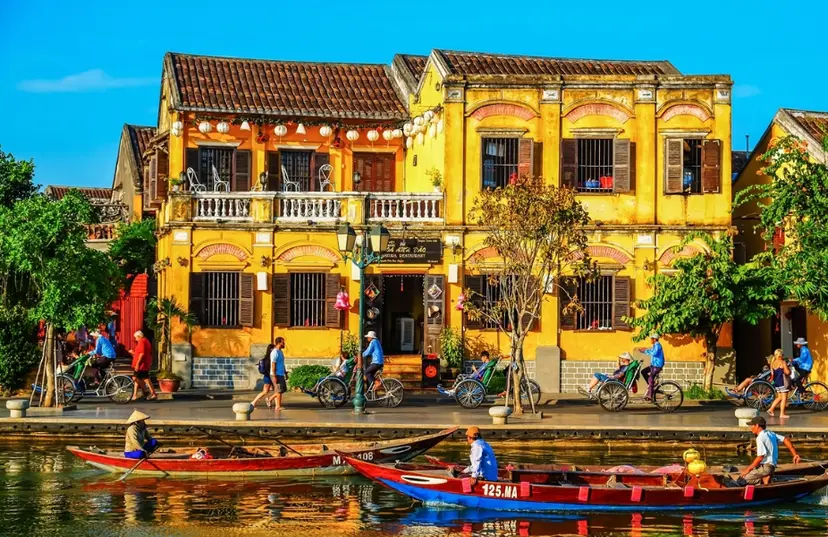
Vietnam isn’t just about bustling cities and delicious street food—it’s a land rich with natural beauty, rugged mountains, dense jungles, and remote hill tribe villages that make it a true paradise for trekking enthusiasts. From the misty peaks of Sapa to the exotic jungles of Pu Luong, trekking in Vietnam offers the perfect blend of cultural immersion and adrenaline-pumping adventure.
Whether you’re an experienced hiker or just starting out, Vietnam offers a variety of trails to match every skill level. In this guide, we’ll take you through the best trekking routes in the country and help you prepare for an unforgettable journey with the right travel package Vietnam explorers need.
Why Is Vietnam a Top Destination for Trekkers?
Vietnam offers a unique combination of scenic landscapes, biodiversity, and cultural diversity. Trekkers can explore mountain paths lined with rice terraces, meet ethnic minority communities, and enjoy the serenity of nature—all in one trip. Unlike many other countries, the trails in Vietnam often pass through local villages, giving you a truly authentic experience with real people and their everyday lives.
Plus, the terrain is incredibly varied. From the high-altitude regions in the north to the tropical forests in the central highlands, Vietnam’s diverse geography makes every trek feel like a new adventure.
What Are the Best Trekking Destinations in Northern Vietnam?
1. Sapa – The Iconic Trekking Hub
Sapa, located in Lao Cai Province near the Chinese border, is the most well-known trekking destination in Vietnam. With trails that pass through terraced rice fields, bamboo forests, and traditional villages like Cat Cat, Lao Chai, and Ta Van, Sapa is a must for any trekking itinerary.
You can choose day treks or multi-day adventures that involve homestays with ethnic minorities such as the Hmong or Dao people. The best time to trek in Sapa is from March to May or September to November when the weather is dry and visibility is clear.
2. Ha Giang – Off the Beaten Path
If you’re looking for a less-touristy experience, Ha Giang offers jaw-dropping scenery with fewer crowds. The Dong Van Karst Plateau Geopark is a UNESCO-listed area that boasts limestone formations, deep canyons, and ancient hill tribe villages. Treks here are more rugged but incredibly rewarding for serious adventurers.
Where Can You Find Jungle Treks in Vietnam?
3. Pu Luong Nature Reserve – A Hidden Gem
Pu Luong, located in Thanh Hoa Province, is a relatively lesser-known destination perfect for jungle trekking and peaceful village walks. The reserve is filled with tropical forests, limestone hills, and pristine rivers. Trekkers can explore the area through guided trails that include stays in local Thai ethnic minority stilt houses.
If you’re booking through a reputable Vietnam travel company, they’ll often include Pu Luong in eco-tourism or nature-focused packages.
4. Cuc Phuong National Park – Wildlife and Trekking Combined
As Vietnam’s oldest national park, Cuc Phuong is home to thousands of plant and animal species. Trekking trails here range from short nature walks to full-day jungle treks. You might encounter langurs, rare butterflies, and ancient trees that are thousands of years old. This park is ideal for nature lovers who want to combine wildlife spotting with physical activity.
What Should You Expect from Central Vietnam Treks?
5. Bach Ma National Park – Cloud Forest Exploration
Bach Ma National Park is nestled between Hue and Da Nang and offers trails through lush cloud forests and waterfalls. The Five Lakes Trail and Do Quyen Waterfall Trek are popular for their scenic views and moderate difficulty level.
Trekking here provides a peaceful break from the historic cities nearby and is often included in central adventures in Vietnam travel packages.
6. Da Lat – Pine Forests and Mountain Trails
Known as Vietnam’s “City of Eternal Spring,” Da Lat has a cooler climate and is surrounded by pine-covered hills. Langbiang Mountain is a popular trekking spot here, with both short and strenuous paths leading to panoramic viewpoints.
How Do You Prepare for a Trekking Adventure in Vietnam?
Before hitting the trail, make sure to:
- Check the weather: Vietnam has a tropical climate, so rainy seasons can make trails slippery and difficult.
- Wear proper footwear: A pair of broken-in hiking boots will save you from blisters and injury.
- Pack light but smart: Essentials include a rain jacket, reusable water bottle, sunscreen, insect repellent, and a small medical kit.
- Book with experts: Opt for a trusted Vietnam travel company that provides guided treks, local interpreters, and eco-friendly accommodations.
What Makes Trekking in Vietnam Unique?
What truly sets trekking in Vietnam apart is the cultural experience. You’re not just walking through nature—you’re walking through communities. Every village you pass has its own customs, cuisine, and traditions. Many travel package Vietnam options offer homestays, giving you a chance to connect with local families and enjoy home-cooked meals.
Whether you’re sipping tea in a stilt house or watching the sunrise over a terraced valley, these personal encounters make your journey more than just a trek—it becomes a life-changing experience.
FAQs About Trekking in Vietnam
Q1: Is trekking in Vietnam safe for solo travelers?
Yes, Vietnam is generally very safe for solo travelers. However, for remote areas like Ha Giang or jungle trails in Pu Luong, it’s recommended to go with a local guide or book through a reputable Vietnam travel company for safety and navigation support.
Q2: What is the best time of year to go trekking in Vietnam?
The ideal trekking season is from March to May and September to November. These months offer cooler temperatures and less rainfall, making trails more accessible and enjoyable.
Q3: Do I need a permit to trek in Vietnam?
For most trekking routes, especially those within national parks, you may need a permit or pay an entrance fee. When you book a travel package Vietnam adventurers prefer, the paperwork is usually handled for you.
Q4: What are the accommodation options during multi-day treks?
You’ll typically stay in local homestays, guesthouses, or eco-lodges depending on the region. These places are modest but offer warm hospitality and authentic Vietnamese meals.
Q5: Can beginners go trekking in Vietnam?
Absolutely. Vietnam has trails for all skill levels. Destinations like Sapa and Da Lat offer gentle walks as well as more challenging hikes. Booking with a Vietnam travel company can help tailor the trek to your fitness level and interests.