
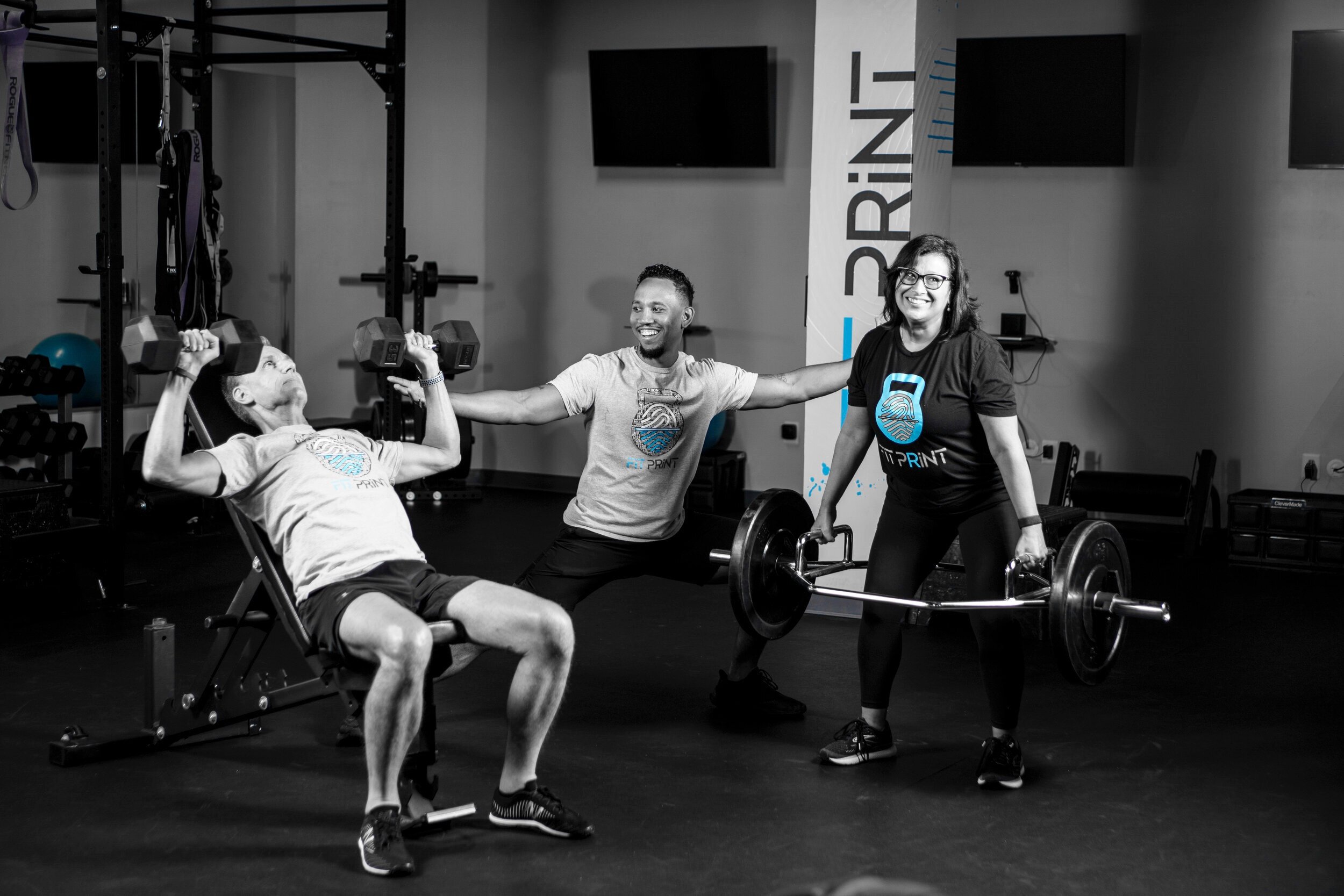
Embarking on a health and wellness journey can feel overwhelming, especially when you’re going it alone. From navigating workout plans to figuring out nutrition, the fitness world is filled with conflicting advice. That’s where a fitness coach steps in. A qualified coach offers expert guidance and personalizes your health strategy, keeping you accountable and motivated every step of the way.
Whether you’re a beginner looking to lose weight or an experienced athlete striving to hit a new milestone, the support of a fitness coach can transform your progress and mindset.
What Is a Fitness Coach?
Acertified fitness coach works with individuals to help them achieve specific health, fitness, and performance goals. Unlike generic workout apps or group classes, a coach offers personalized attention, designing routines and lifestyle habits tailored to your unique body, goals, and limitations.
Fitness coaches typically have certifications from reputable organizations such as ACE (American Council on Exercise), NASM (National Academy of Sports Medicine), or ISSA (International Sports Sciences Association). Many also pursue specialties in areas like nutrition, corrective exercise, or strength and conditioning.
Personalized Plans That Work
One of the biggest advantages of working with a fitness coach is individualization. No two bodies are the same, so why should your workout be? A coach considers your current fitness level, medical history, lifestyle, and personal goals to design an effective and sustainable training plan.
In fact, studies show that people who follow personalized training programs are 50% more likely to stick with their regimen than those using generic fitness plans. This higher adherence rate often translates to faster and more consistent results.
Accountability and Motivation
Staying consistent is often the hardest part of any health journey. Life gets busy, energy levels fluctuate, and motivation can fade. A fitness coach acts as your accountability partner, checking in regularly, adjusting workouts based on your feedback, and reminding you why you started.
According to a 2023 survey from the International Health, Racquet & Sportsclub Association (IHRSA), 70% of gym-goers said they were more consistent when working out with a coach or trainer than when working out alone.
More Than Just Workouts
A skilled fitness coach understands that proper health extends beyond what happens in the gym. They often incorporate holistic approaches, advising clients on nutrition, sleep, stress management, and recovery.
Some coaches provide meal planning support or refer clients to registered dietitians. Others may use fitness tracking technology or wearables to monitor heart rate, sleep quality, and activity levels, offering a 360-degree approach to health and performance.
Injury Prevention and Proper Technique
One of the most underrated roles of a fitness coach is ensuring proper form and injury prevention. Poor technique can lead to long-term issues, especially in strength training or high-impact activities. A coach teaches you how to move safely and efficiently, reducing the risk of strains, sprains, or chronic pain.
This is especially important for beginners or individuals returning to exercise after a long hiatus. A coach can introduce modifications and progressions that gradually build strength and endurance without overwhelming your body.
Setting Realistic, Measurable Goals
Many people dive into fitness with lofty ambitions to lose 30 pounds a month, run a marathon in eight weeks, or completely overhaul their diet overnight. While enthusiasm is great, unrealistic expectations often lead to burnout and disappointment.
Afitness coach helps set SMART goals: specific, Measurable, Achievable, Relevant, and Time-bound. Instead of aiming unthinkingly, you’ll have a clear roadmap with benchmarks to celebrate along the way. Whether increasing your bench press by 20 pounds or walking 10,000 steps daily, small wins build lasting momentum.
Building Long-Term Healthy Habits
The best coaches don’t just train you. Theyteach you. Over time, you’ll learn how to design workouts, read nutrition labels, manage recovery, and listen to your body. This education empowers you to maintain your results for life, even when you’re no longer under your coach’s guidance.
A 2022 review published in The Journal of Sports Science & Medicine found that clients who worked with fitness coaches for 6 months or more were significantly more likely to maintain weight loss and physical activity a year later than self-guided individuals.
Online vs. In-Person Coaching: What’s Best?
The rise of digital fitness has made coaching more accessible than ever. Online fitness coaches offer virtual sessions, app-based programs, and regular check-ins through video calls or messages. This can be a great option for people with busy schedules or those living in areas with limited gym access.
Conversely, in-person coaching offers hands-on form correction and real-time feedback. Some clients even opt for hybrid models, starting in person and transitioning online for maintenance.
The key is finding a fitness coach whose style, experience, and personality align with your goals and preferences.
Final Thoughts
Your health journey is unique and often challenging. Having a fitness coach in your corner can provide the structure, support, and strategy needed to turn short-term goals into long-term success. The benefits are far-reaching, from tailored workouts and injury prevention to lifestyle coaching and motivation.
If you’re ready to take control of your wellness and start seeing real results, investing in a qualified fitness coach could be your most brilliant move this year.